A Wellness Expert's Guide to Everyday Healthy Living
For thirty-four years, I believed every reliable system depends on quality inputs. It wasn't until two years of mental fog—and a chance conversation at a local garden center—that I realized I'd ignored that principle when it came to my own mind.

For most of my working life I could hold a circuit diagram in my head for hours — trace a fault through twelve subsystems without writing a single note. The people I worked with called me "the filing cabinet." Not because I was slow. Because nothing I learned ever seemed to leave.
So I want to be honest about how long it took me to notice that something had changed. At my retirement dinner last autumn, my daughter leaned over and asked me the name of my college roommate — the one I'd told stories about for decades. For a full ten seconds, I had nothing. Just a quiet, unfamiliar blank where a name used to be.
It wasn't the first time. It was the first time someone else saw it.
I'd been dismissing mine for two years. First I blamed the stress of stepping away from the classroom. Then the busyness of the transition. Then I simply stopped reaching for reasons and accepted a fog that had become, without my quite noticing, the new normal.
Robert Caldwell is seventy-three and has owned the same garden center for thirty-one years. I'd been stopping in on Saturday mornings for most of that time — partly for supplies, mostly for the conversation. Robert was improbably sharp for his age. Present. Quick. The kind of mind that seemed to have opted out of the slowdown I'd watched quietly claim most of the people I knew in their sixties and seventies.
One Saturday I told him the truth: I'd been forgetting things. Small things. Names. Words that simply weren't there when I reached for them. Two years of it.
"It doesn't pass on its own," he said. "The brain needs inputs. You stop giving it what it needs, it tells you — quietly at first, then louder. Most people wait until it's loud."
Then he described what he called his "maintenance routine." Not a cure — he was careful about that word. Nothing exotic. A few dietary habits he'd adopted on purpose. Eight hours of sleep. And a plant-based patch he wore overnight, applied to the inner wrist near a traditional acupressure point.
"More or less like a nicotine patch," he said when I asked. "Plant-based — herbs, extracts, a few things from traditional Chinese medicine. On before bed, off in the morning. I've worn it eight months. I'm not telling you it's the only reason I feel sharp. I'm telling you it's part of a system, and the system works."
I drove home thinking about machines. About the relationship between inputs and outputs. About what I had — and hadn't — been feeding the most demanding system in my body.
I'm an engineer, so I did what engineers do: I checked the claims. What surprised me was that the ingredients Robert mentioned weren't fringe. They were among the most consistently documented botanical compounds in human wellness history — turning up independently in Mediterranean, Asian, and South Asian traditions, in some cases for thousands of years.
🥗 Foods That Support Brain Health
Include these in your diet for cognitive support

Rich in omega-3 fatty acids (DHA), essential for brain cell structure and communication.
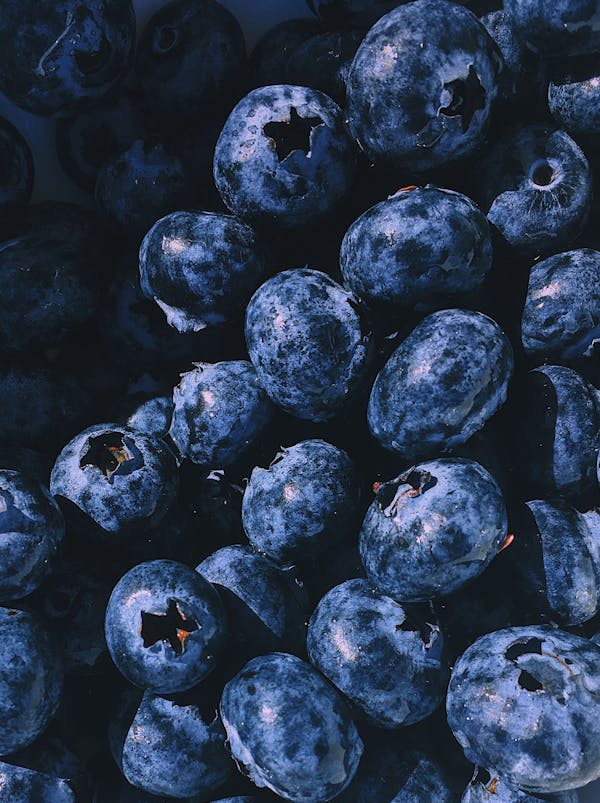
Packed with anthocyanins and antioxidants that help protect brain cells from oxidative stress.
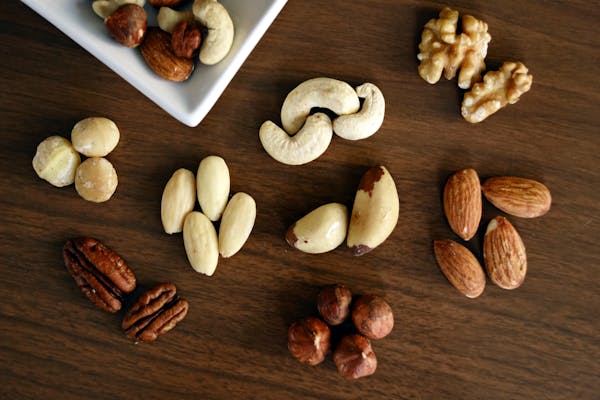
High in alpha-linolenic acid (ALA) and vitamin E, both important for brain health.

Spinach, kale, and broccoli are rich in vitamin K, folate, and lutein for brain protection.

Excellent source of choline, essential for acetylcholine production — important for memory.

Contains flavonoids that may improve blood flow to the brain and support memory.
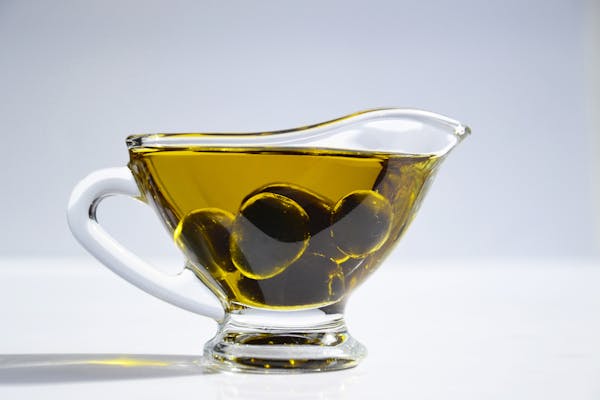
Contains polyphenols that may help reduce inflammation. A key part of the Mediterranean diet.
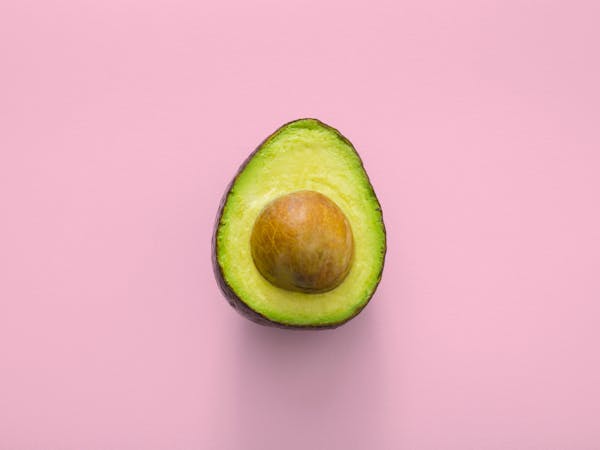
Rich in monounsaturated fats and lutein, which may support healthy blood flow to the brain.
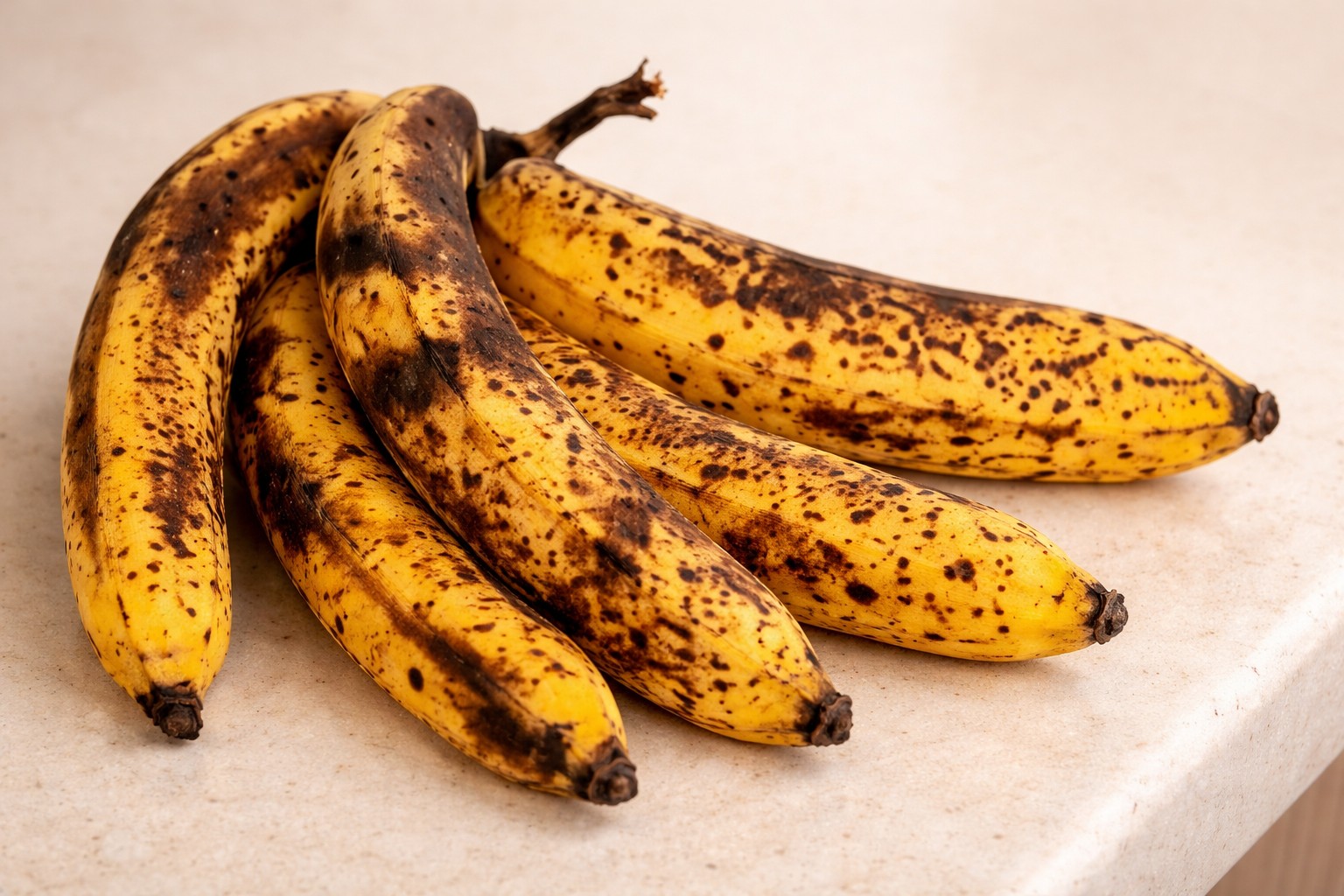
Excellent source of vitamin B6, which supports the production of serotonin and dopamine — neurotransmitters essential for memory, focus, and mood.

Rich in flavonoids and phenolic acids with neuroprotective and antioxidant properties that help shield brain cells from oxidative stress and support long-term cognitive health.
I started the full routine in the second week of August. Raw honey in my morning coffee — from a beekeeper I found at the farmers market. Garlic in at least one meal a day. Apple cider vinegar diluted in water two or three afternoons a week. And the patch, before bed, on the inner wrist.
I kept a notebook. Not for science — because I'm an engineer, and engineers keep records.
Waking up less foggy. That middling what day is it feeling that had become normal — less of it. Could be anything. Wrote it down.
My wife said I seem more present at dinner. Her word. I hadn't told her I'd changed a thing. Wrote it down.
Remembered my college roommate's name without being asked. Philip Reyes. I also remembered his phone number from 1984. I don't know what it means. But I wrote it down.
I'm careful about what I conclude. I changed several things at once. I don't know which part — if any — made the difference, and I say so without embarrassment. Correlation isn't causation; I've known that my whole career.
What I know is that I feel clearer than I have in two years. And I'm not planning to stop any of it.
I went back the following Saturday and told Robert. He nodded, unsurprised, and went back to sorting bolts. That, somehow, was the most convincing part of all.
Supporting the mind turned out to be only half of it. The other half is letting the body put down the tension it's been carrying all day. I added a small head-and-neck massager to my evening — not as a luxury, but as a reset. Ten minutes of gentle heat and pulse at the base of the neck is enough to tell the nervous system the day is over, the muscles can let go, and the mind can follow.
"I didn't realize how much tension I was holding in my neck until it was gone. Now it's the first thing I reach for before bed."
No appointments. No complicated routine. Just quiet, consistent relief — right where stress tends to settle first.


